Do you ever feel like your furry friend is giving you the side-eye, but you’re not sure why? You’re not alone!
Dogs communicate a lot through their body language, and understanding these subtle signs is crucial to building a strong and happy relationship with your pup.


So, by learning to effectively “speak dog,” you can unlock a deeper level of understanding and ensure your four-legged companion feels loved, safe, and secure. Just think of all those extra tail wags and sloppy kisses that come with cracking the canine communication code!
You see, understanding your dog’s body language allows you to gauge their overall mood and well-being. It’s like having a secret decoder ring for deciphering their subliminal messages.
Knowing if your pup is feeling playful, anxious, or stressed helps you respond appropriately and build a stronger bond.
Here’s everything you need to know!
Dog communication signals involve a combination of physical cues, facial expressions, and vocalisations to communicate. By paying close attention to these signals, you can gain valuable insights into your dog’s emotional state, needs, and intentions.
Here’s a quick breakdown of the key elements of doggy dialogue:
A relaxed posture with a loose, wagging tail and a lowered head is a good sign. A stiff body, raised hackles, or a tucked tail can indicate fear or aggression.
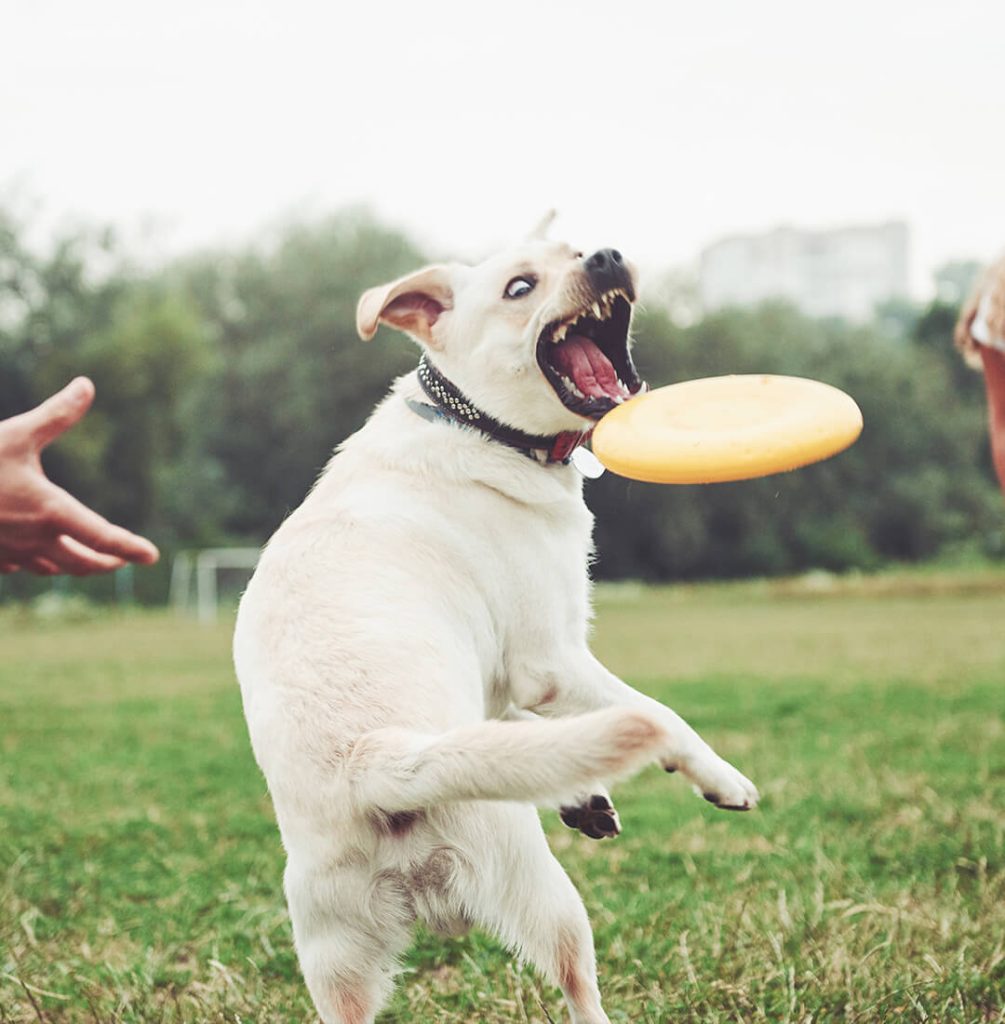
A soft, open mouth with a relaxed tongue is a friendly expression. Wrinkled nose, narrowed eyes, or bared teeth can signal discomfort or threat.
Perked-up ears often indicate alertness or interest, while flattened ears can be a sign of fear or submission.
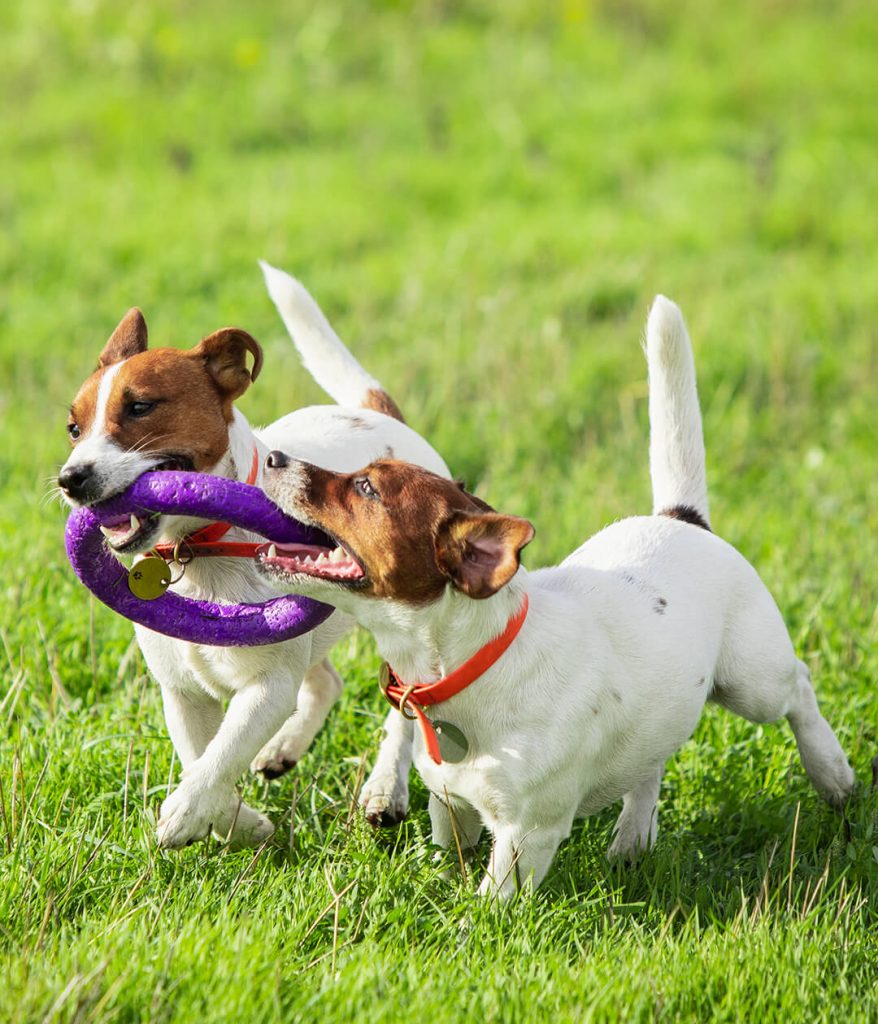
A fast, wagging tail usually means your dog is happy and excited. A slow wag or a tucked tail can suggest nervousness or fear.
Barks come in many forms, from playful yelps to deep growls. Whines can indicate sadness or anxiety, while playful growls might be an invitation to play.
Now that you know the basic elements of doggy dialogue, let’s delve into some specific signs and their meanings so you can further master the art of canine communication…
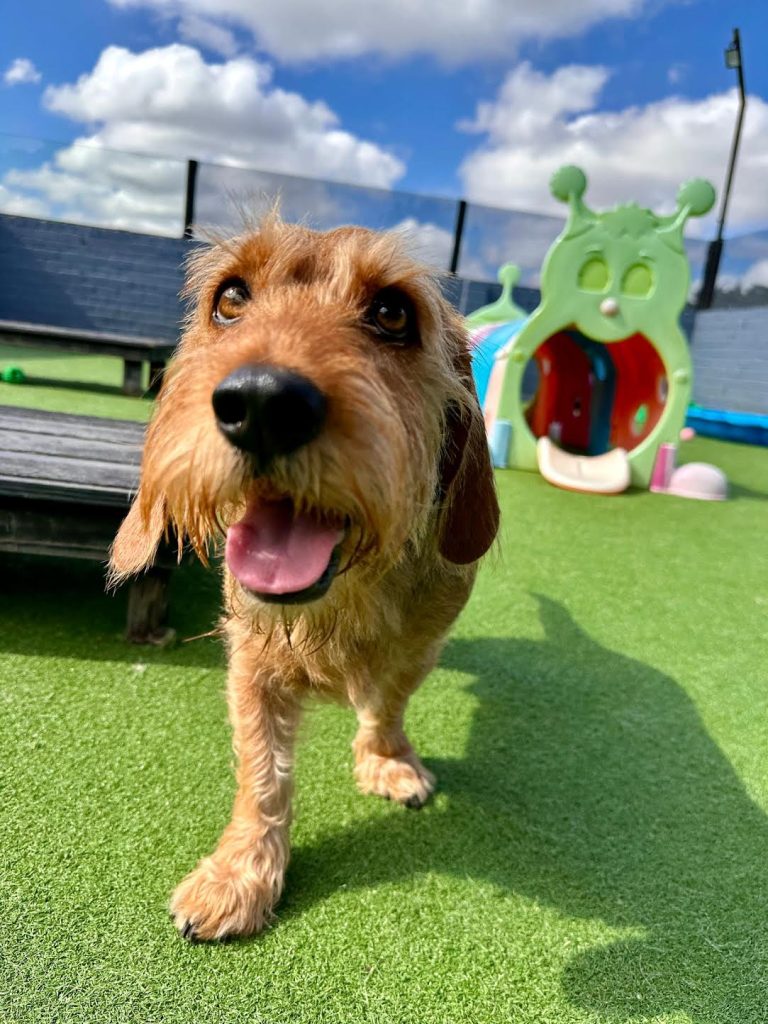
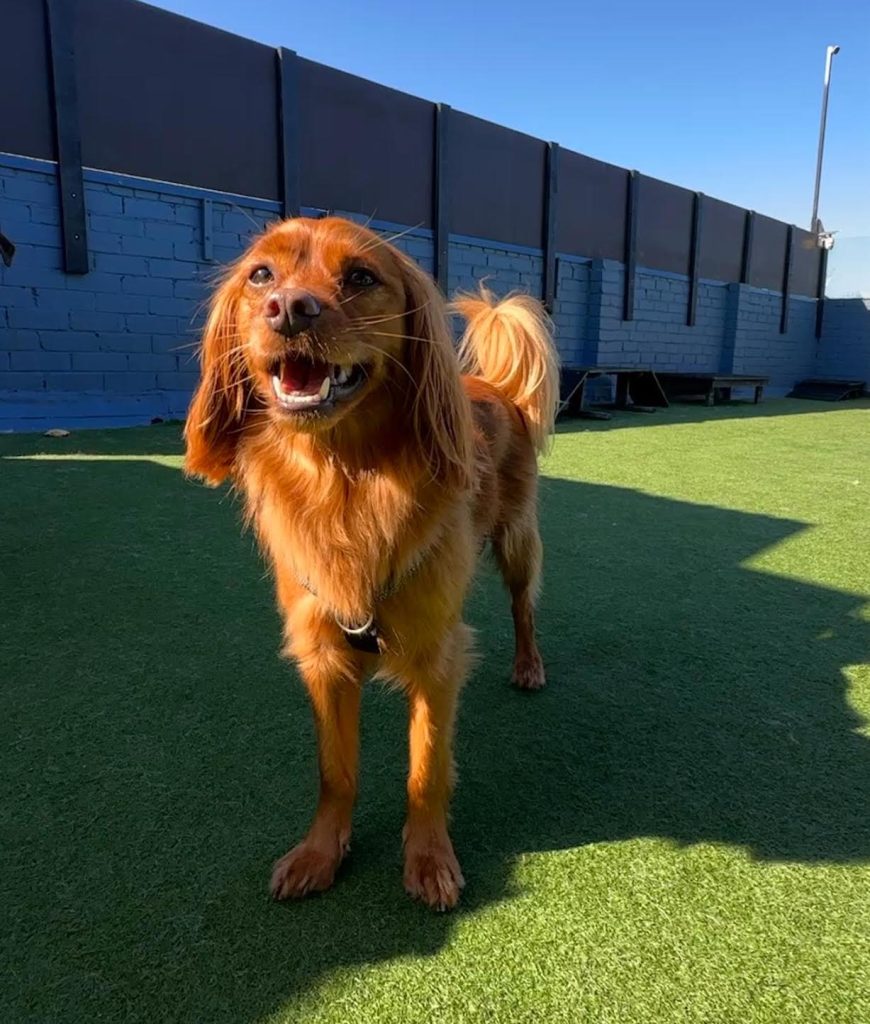
Here are some tell-tale signs of positive canine body language:
While it’s good to recognise when your pup is feeling content, it’s all the more important to recognise the negative signs too! Here are some tips for identifying stress and anxiety in your doggo:
Not always a sign of tiredness, yawning can also indicate stress or anxiety.
Licking their lips excessively can be a sign of nervousness or discomfort.
Where the dog shows the whites of their eyes, often accompanied by a flattened head. This can be a sign of fear or appeasement.
This is a classic sign of fear or submission.
This combination often signals anxiety or feeling threatened.
So, how does one respond to different dog behaviour signs? Here are some tips to ensure you react accordingly:
Reward good behaviour with treats, praise, and affection. This reinforces positive associations and strengthens your bond.
If your dog shows signs of anxiety, remove them from the situation and provide a calm environment.
If your dog seems uncomfortable, give them space. Pushing them can worsen anxiety.
If you’re unsure about your dog’s behaviour or it seems extreme, consult a professional dog trainer or behaviourist.
Once you’ve mastered the fundamentals of canine body language, you can delve deeper into understanding your dog’s unique personality and communication style. Here are some additional tips:
While barks and whines are readily understood, subtle variations in pitch and duration can reveal more. A high-pitched whine might indicate excitement for a walk, while a low, drawn-out whine could signal sadness or pain.
A wagging tail doesn’t always mean happiness. A slow wag with a tense body could indicate nervousness, while a wagging tail paired with raised hackles might signal aggression. Observe the overall situation to accurately interpret body language cues.
Dogs are adept at picking up on human emotions. If you approach your pup with a calm and positive demeanour, they’re more likely to respond in kind. Conversely, if you’re feeling stressed or anxious, your dog might mirror that energy.
Clicker training is a positive reinforcement method that uses a clicker sound to mark desired behaviours. This technique can be a powerful tool for improving communication and building a strong bond with your dog.
Learning a new language takes time and practice. Be patient with your dog as they learn to understand your cues and vice versa. Celebrate small successes along the way, and focus on making communication a positive and enjoyable experience for both of you.
Learning how dogs communicate with humans – and indeed other dogs is an ongoing process. Take your time and adopt the following tips to further your understanding:
Certain breeds may have specific body language traits.
Observe how dogs interact with each other to get a better understanding of canine communication.
There are many resources available online and in libraries to help you learn more about dog body language.
Building a strong bond with your dog goes beyond understanding canine body language. Here are some fun activities that can help solidify your connection:
Regular training sessions provide mental stimulation, reinforce positive behaviours, and create a sense of teamwork between you and your pup.
Games of fetch, tug-of-war, or puzzle toys engage your dog's natural instincts and provide a fun way to bond.
Cuddle sessions on the couch or petting your dog during quiet moments promote relaxation and strengthen the emotional connection.
Explore new hiking trails, dog parks, or beaches together. Sharing new experiences creates lasting memories and provides mental stimulation for your dog.
Agility training, rally obedience, or dock diving can be a great way to challenge your dog mentally and physically while having fun together.
Learning new tricks keeps your dog engaged and mentally stimulated. Plus, it's a fun way to showcase their skills and show off your training prowess!
Incorporating these tips and activities into your daily routine is an effective approach to develop a strong and fulfilling communication style with your furry friend.
Remember, the more you understand your dog’s unique way of communicating, the deeper your bond will become – and thus the happier and more content they will be.
At Ooohh Yeah Dog Care, we wholeheartedly believe that clear communication is the foundation of a happy and healthy relationship between dogs and their humans.
Our team of experienced dog lovers is passionate about creating a safe and stimulating environment where dogs can learn, play, and socialise – or enjoy a spot of dog grooming in Sydney to keep them looking their absolute best.


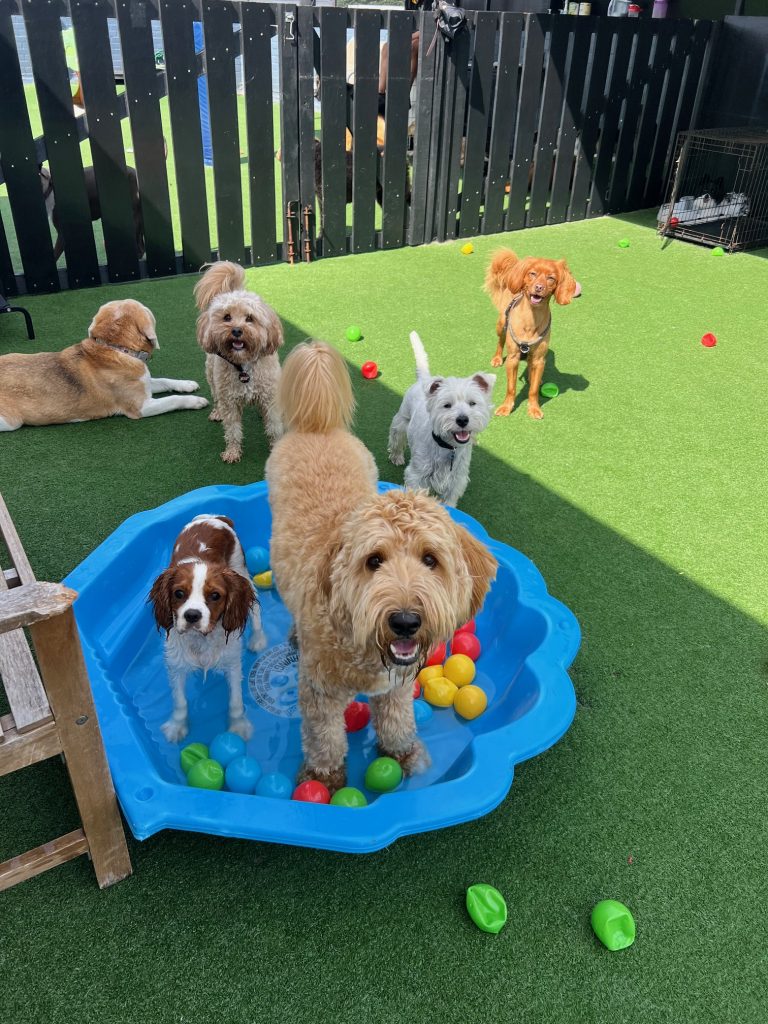
We offer a variety of services and enrichment activities designed to enhance communication skills and strengthen the bond between dogs and their owners. Our doggy day-care programmes provide a perfect opportunity for your pup to practise their social skills, learn new things, and come home happy and exhausted.
Contact Ooohh Yeah Dog Care today to schedule a visit and see how we can help you unlock the full potential of your furry friend’s communication skills!


Additional Services/Fees
Please Note *Prices are subject to change and should be used as a guide only*
Nail trims requiring 2 staff: $25
Please note we reserve the right to refuse service if deemed unsafe to the groomer or dog. We reserve the right to charge for the work that is completed
Terms and Conditions